UX/UI DESIGNER & DEVELOPER
SOLOPROTECT
Led UX and delivery work for monitoring and incident-response workflows in a safety-critical environment.
Technologies
Responsibilities
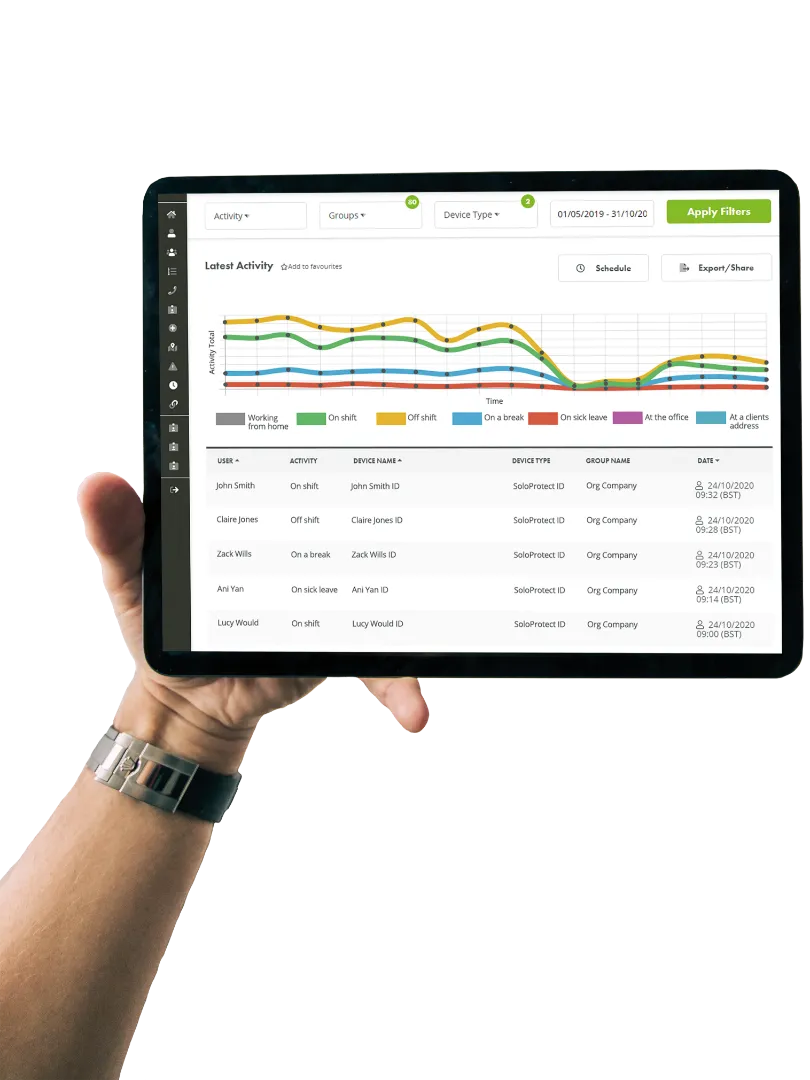
Designed high-stakes workflows for live monitoring, oversight, and incident-response journeys.
Translated approved UX work into production-ready interfaces and components.
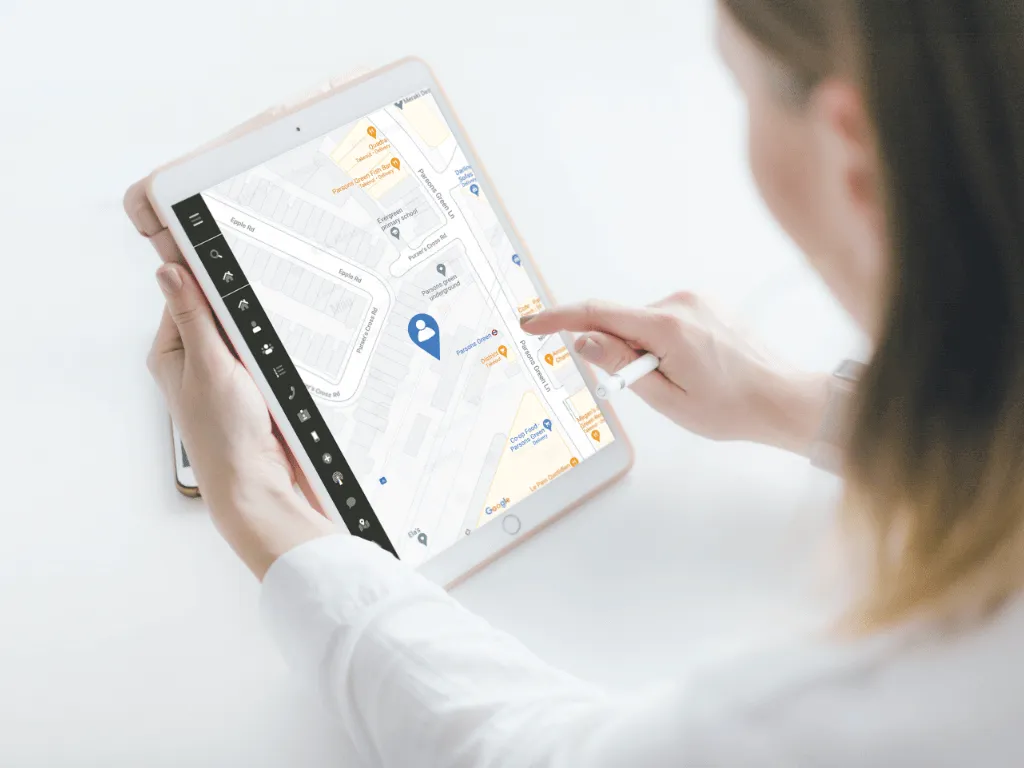
Improved geolocation-led tooling to support faster awareness and clearer status visibility.
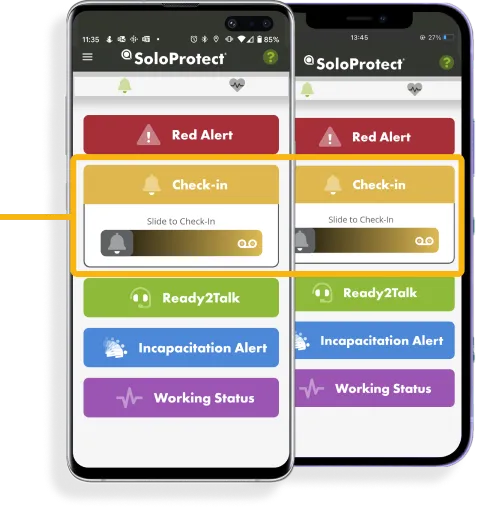
Supported app delivery as part of the first iteration of the updated SoloProtect experience.
Problem
Supervisory users needed clearer location-aware monitoring and response tools, while the product team needed UX decisions that could hold up in a high-stakes operational environment.
Focus
Monitoring, incident response, geolocation-led workflows, and production-ready delivery.
Approach
I redesigned supervisor workflows, helped shape the geolocation-led service experience, and translated approved prototypes into production-ready interfaces.
Project notes
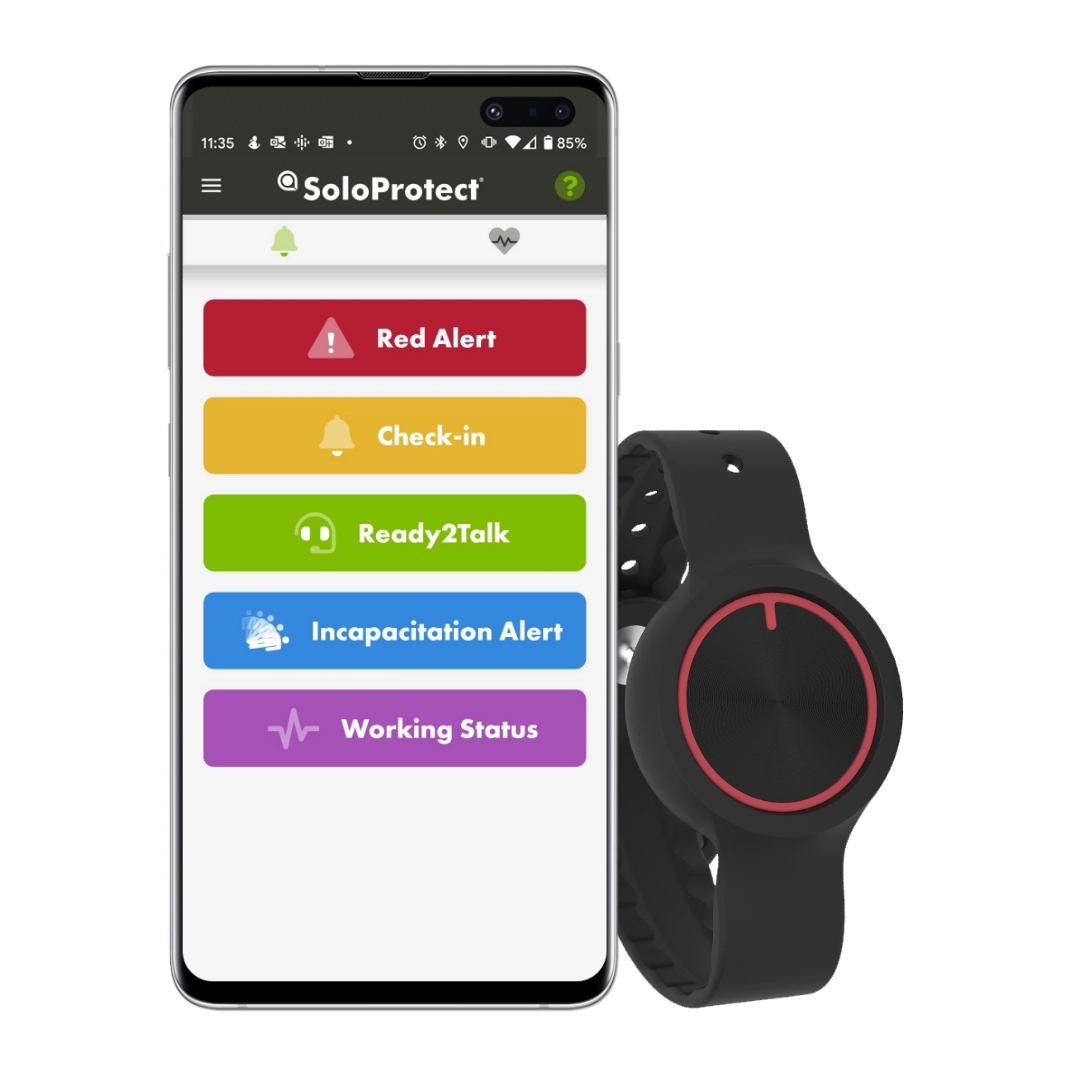
SoloProtect combines lone-worker devices, live monitoring, and operational response tooling. The work sat in a demanding environment where speed, usability, and engineering reliability all mattered.
My role covered both UX direction and production delivery. I worked on desktop monitoring tools, geolocation-led journeys, and the first iteration of the updated app experience, then helped move approved work into a C# .NET and Xamarin codebase.
The result was a tighter connection between UX decisions and shipped product behaviour in a space where interface quality had direct operational consequences.
Next case study
FOURJAW
Improved onboarding and operator workflows in a B2B SaaS product, making real-time manufacturing interfaces easier to use and easier to trust.